
SportDex: Sport Card identify
PlantInLifestyle
4.884.00 Reviews
- Version
- 1.11.0
- Installs
- 50.00K
- Age Rating
- Everyone
Screenshots
Our Review of SportDex: Sport Card identify
 Analysis by Appyee
SportDex caught my attention because it approaches sports cards as something more practical than a hobby search tool. Instead of leaving a collection scattered across boxes, notes, and browser tabs, it brings card identification, value checking, PSA grading guidance, collection tracking, and marketplace activity into one lifestyle app from PlantIn. I found the first few sessions genuinely engaging, especially when I wanted to turn an unfamiliar card into a clearer entry in my collection.
That first impression is helped by the app’s simple positioning. It is free to install, aimed at Everyone, and works on devices running Android 7.0 or later. The current release is version 1.11.0, and the app has already reached over fifty thousand installs with a 4.8 average from around one thousand four hundred ratings. Those figures suggest a positive reception, but they do not answer the more important question: does SportDex remain useful once the excitement of scanning cards wears off?
From the first scan to a lasting collecting habit
During the first week, the strongest appeal is the feeling of reducing friction. A card that would normally require checking several details manually can be approached through one focused workflow. I can identify it, consider its value, think about grading, and decide whether it belongs in my collection or marketplace plans. That sequence feels more natural than treating each task as a separate research project.
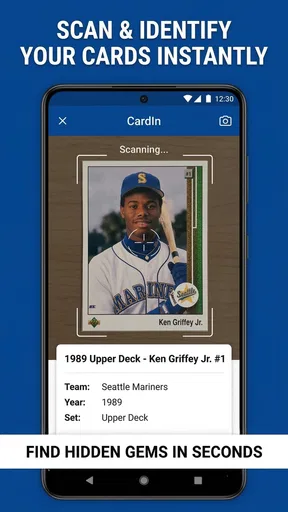
The identification feature is most useful when I am sorting cards I did not personally buy. A mixed box, an inherited collection, or a recent trade can contain cards that look familiar but have small differences that matter. SportDex gives me a starting point before I spend time comparing editions, conditions, or market context elsewhere. I would still treat any result as a prompt for verification rather than an unquestionable final answer, particularly when a card has several similar versions.
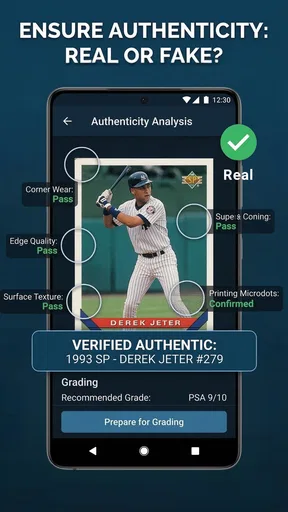
That distinction is important for new collectors. A scanner can make discovery faster, but it cannot replace careful inspection. Condition, centering, surface issues, print variations, and authenticity all affect what a card may be worth. I found the app most helpful when I used it to organize my next decision, not when I expected one scan to settle every question.
The collection tracker is where the app starts to feel less like a novelty. After identifying a card, recording it gives the scan a purpose. Instead of repeatedly looking up the same item, I can build a personal reference point for what I own. This is particularly useful when a collection grows beyond what I can remember visually. It also changes the way I sort cards: I can separate cards worth researching from cards that simply need a place in the collection.
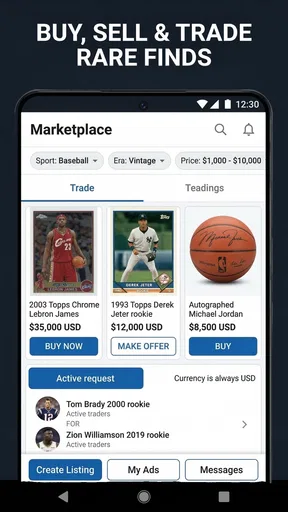
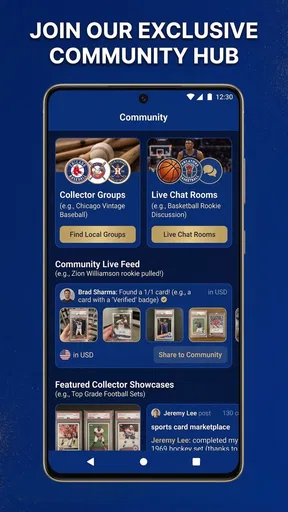
Another first-week strength is the connection between collecting and selling. Many card apps focus on identification or valuation, while SportDex also includes a marketplace angle. That makes it easier to think through the full life of a card: discover it, record it, evaluate its condition, and decide whether to keep or list it. I like that broader workflow, although I would not use a marketplace label alone as proof that a sale will be easy or that a suggested value guarantees a buyer.
How I would use it when sorting a real collection
My preferred approach is to work in small batches rather than scan everything in one exhausting session. I would begin with cards that are most likely to need research: unfamiliar players, older-looking issues, cards with unusual designs, and anything recently received in a trade. Once a card is identified, I would record it immediately while the physical card is still in front of me. Delaying that step creates a second sorting job later, which is exactly the kind of friction a tracker should prevent.
I would also keep the physical organization aligned with the digital one. If cards are stored by sport, player, set, or personal priority, the collection tracker becomes more useful because I can find the card again without searching through every box. This is a small habit, but it determines whether the app becomes a living inventory or just a place where a few early scans sit untouched.
For a family member who knows little about cards, SportDex could make a box feel approachable. A parent helping a child sort cards, for example, can use identification and value research as a way to learn together. The app is less intimidating than opening multiple specialist sites at once. Still, I would explain that a displayed value is a research aid, not a promise of cash value, especially for cards whose condition or demand changes the outcome.
Where the month-to-month value comes from
After the novelty fades, the collection tracker becomes the main test. Identification is naturally exciting because every scan produces a result. Tracking is quieter, but it is what can keep the app relevant. If I continue buying, trading, or receiving cards, a maintained inventory saves time and reduces duplicate purchases. That is a recurring benefit rather than a one-time thrill.
The app is also well suited to periodic collection reviews. I can revisit cards that I recorded earlier, compare my current interest with what I originally intended to keep, and decide which items deserve more attention. A collector who changes focus between players, teams, sports, or eras may find this especially useful. The tracker can act as a decision log, showing not only what I own but also which parts of the collection are worth further research.
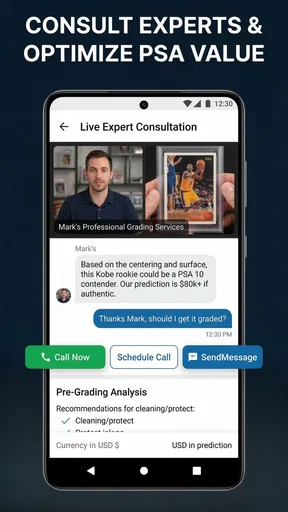
The PSA grading element adds another layer to that routine. I would use it as a screening step before sending anything for professional grading. That means asking practical questions: Is the card valuable enough to justify the process? Does the condition appear strong enough to make grading sensible? Is the card important to me even if the financial return is disappointing? Having grading guidance near identification encourages better questions, but it should not push me toward grading every card that looks promising.
That is one of the app’s more useful trade-offs. It can help me narrow a large pile to a smaller group for closer inspection. It cannot remove the cost, waiting, risk, or emotional uncertainty involved in grading. For a serious collector, the best workflow is to use SportDex for triage and organization, then confirm important details through specialist references and the grading service itself.
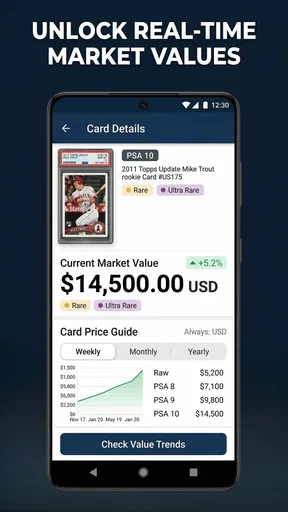
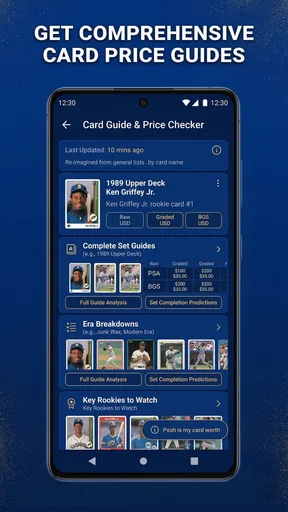
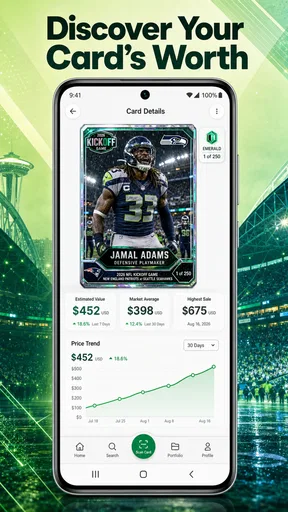
The value-checking feature can also support monthly reviews, but I would avoid treating it like a bank balance. Card prices are affected by timing, condition, player performance, scarcity, demand, and the difference between an asking price and a completed sale. I find the feature more useful for spotting cards that deserve attention than for calculating a precise total collection value.
The maintenance work that decides whether it stays installed
SportDex is not a set-it-and-forget-it app. Its long-term usefulness depends on entering cards consistently and keeping the collection organized. That maintenance is manageable when I process cards as they arrive, but it becomes tedious if I let several boxes pile up. The app can reduce the work of cataloging, yet it cannot remove the work entirely.
My practical rule would be to record only information I will actually use. If I am collecting casually, a basic entry may be enough. If I am preparing cards for possible sale or grading, I would take more time to check the physical card carefully and keep its storage location clear. The mistake is trying to create a perfect catalog before knowing what matters to me. A smaller, accurate inventory is more valuable than a huge list that I never update.
Maintenance also includes reviewing old entries. A card that seemed important during the first week may become less relevant after a change in collecting focus. Conversely, a card I initially ignored may become worth researching later. A monthly cleanup helps prevent the tracker from becoming a digital duplicate of the clutter it was meant to solve.
The free entry point makes experimenting easy, but in-app purchases range from $2.99 to $69.99 per item. That broad range means I would examine exactly what an optional purchase unlocks before paying. A casual collector may be satisfied with limited use, while someone cataloging a large collection may consider paid access only if it clearly saves enough time. I would not upgrade simply because the app feels exciting during the first few scans.
This is also where SportDex differs from a spreadsheet. A spreadsheet offers control and can be customized around almost any collection, but it requires manual setup and maintenance. SportDex is more convenient for discovery because identification, value research, grading consideration, and marketplace thinking sit together. The spreadsheet remains better for collectors who want detailed custom fields, independent calculations, or a system that is not tied to one app’s workflow.
What creates fatigue after repeated use
The first source of fatigue is repetition. Scanning an occasional card feels rewarding; processing hundreds of similar cards can feel like administrative work. If the app’s main role becomes entering every ordinary card, I may stop opening it. The best defense is selective cataloging: prioritize cards with financial, sentimental, trading, or organizational importance instead of treating every item as equally urgent.
A second source is uncertainty around value. Collectors naturally want a clear answer, but the real market is less tidy. Two cards with the same identity can have very different outcomes because of condition, grading, timing, and buyer interest. If I expect SportDex to provide a definitive price, frustration is likely. If I use it to create a shortlist for deeper research, the same feature becomes much more useful.
Marketplace activity can introduce another kind of fatigue. Listing a card is not the same as selling it. I still need to describe the item accurately, handle condition honestly, think about shipping, and decide whether the expected return justifies the effort. The marketplace connection is valuable because it keeps selling in the same conversation as collecting, but it does not make the selling process effortless.
There is also a psychological risk in mixing collection enjoyment with constant valuation. If every card is viewed mainly through its possible price, the hobby can become a stream of speculative checks. I would use the value tools during planned reviews rather than repeatedly refreshing them. That keeps the tracker focused on ownership and decisions instead of turning it into a source of unnecessary anxiety.
Collectors who already have a mature system may experience less benefit. If I maintain a carefully structured spreadsheet, know which specialist references I trust, and rarely need help identifying cards, SportDex may feel like an extra layer rather than a replacement. Its convenience is strongest for people who want a guided workflow, not for users who have already built a faster personal method.
Who gets the most from this app
I think SportDex is a strong fit for beginners who want to understand what they have without learning several tools at once. It is also useful for casual collectors returning to the hobby after a long break, families sorting inherited cards, and active traders who need a quicker way to organize newly acquired items. The combination of identification and tracking gives those users a clear next step after discovering a card.
It may also suit a collector who is preparing for a move or insurance conversation and needs a more organized overview. I would not treat an app inventory as a formal appraisal, but a maintained record can make it easier to see what deserves careful storage and further documentation. The key is to keep entries accurate and avoid assuming that a suggested value equals replacement value.
I would recommend a different approach for a professional dealer who needs advanced inventory controls, accounting, order management, or highly specialized market analysis. SportDex’s lifestyle orientation is an advantage for approachable collecting, but a business operating at scale may need tools designed around transactions rather than personal discovery.
It is also not the right choice for someone who dislikes cataloging. No scanner can make a collection tracker valuable if the user refuses to maintain it. In that case, a simple physical sorting system may be more satisfying. Likewise, collectors who care only about playing cards, memorabilia, or non-sports items should not choose it unless its sports-card workflow matches their needs.
My long-term verdict after the novelty test
SportDex earns lasting space on my phone when I treat it as a collection maintenance tool, not as a magic valuation machine. The first-week appeal comes from quick discovery and the satisfying path from an unidentified card to a recorded item. The month-to-month value comes from reducing duplicate research, preparing cards for deeper inspection, and keeping buying or trading decisions connected to an inventory.
The app’s strongest practical insight is that identification should lead to an action. Scan a card, decide whether it matters, record it if it does, and place it somewhere you can find again. That workflow prevents the common mistake of collecting information without improving the collection itself. The grading feature is most valuable when it helps filter candidates, while the marketplace feature is most valuable when it encourages realistic decisions about whether selling is worth the effort.
There is a cost to that usefulness: regular upkeep, sensible interpretation of values, and patience with repetitive sorting. The optional purchase range also deserves careful consideration before committing money. I would begin with the free experience, test it on a small batch, and only pay if the workflow genuinely saves time in my own collection.
PlantIn has made a focused lifestyle app for sports-card collectors who want a bridge between discovery and organization. Its 4.8 average and growing install base make it easy to see why the first impression is positive, but the real measure is whether I return when there is no exciting mystery card waiting to be scanned. For me, the answer is yes when I use it during weekly sorting or monthly collection reviews. If I only want occasional identification, a browser search may be enough; if I want a manageable record that connects cards with grading and selling decisions, SportDex has a more convincing long-term role.
My final recommendation is therefore selective but positive: try it if your cards are becoming difficult to track, and build a modest routine rather than attempting a perfect catalog overnight. The lasting value comes from the habit of turning every useful discovery into an organized decision. Used that way, this free Lifestyle app feels like a practical companion for collecting rather than another short-lived tool that disappears after the first week.
Verdict
Strengths of SportDex: Sport Card identify
- Quickly identifies sports cards using your phone’s camera.
- Useful for checking card details while buying or trading.
- Simple interface suitable for beginners and casual collectors.
- Helps organize information about cards in one convenient place.
- Portable alternative to carrying printed price guides.
Limitations of SportDex: Sport Card identify
- Recognition may fail with blurry, damaged, or poorly lit cards.
- Estimated values can vary from current marketplace prices.
- Coverage may be limited for rare or newly released cards.
- Some features may require an account or paid access.
- Camera-based results depend heavily on image quality and internet access.
Other Releases by PlantIn
View All
CoinIn – Coin Scan Identifier
Tools4.5

RockIn Rock&Meteorite Identify
Lifestyle4.4
Similar Picks in This Category
View All
SmartThings
Samsung Electronics Co., Ltd.4.6

Google Home
Google LLC4.0

Pinterest4.2

Astrotalk - Talk to Astrologer
Astrology & Horoscope4.7

My Verizon
Verizon Consumer Group4.5

Samsung Wallet (Samsung Pay)
Samsung Electronics Co., Ltd.4.1
Frequently Asked Questions
What is SportDex: Sport Card Identify used for?
SportDex: Sport Card Identify is designed to help collectors recognize and organize sports cards using their mobile device. After taking or uploading a photo, the app can provide information that may help identify the athlete, card set, season, and other details. It is useful for building a digital collection, researching cards, and getting a quick starting point before checking specialist databases or marketplaces.
How accurate is SportDex when identifying sports cards?
The app can be helpful, but its results should not be treated as a guaranteed professional appraisal. Identification may depend on image quality, lighting, card condition, camera focus, and how well the card is supported by the service. Similar editions, reprints, regional variations, and rare parallels can sometimes be confused. Always compare the suggested information with the card itself and trusted collector references.
Can SportDex determine the value or market price of my sports cards?
SportDex may provide information that helps you research a card’s potential value, but users should not assume that an estimated price represents a final selling price. Sports-card values change frequently according to condition, grading, rarity, demand, recent sales, and marketplace fees. For important or expensive cards, verify prices through recent completed listings and consider an independent professional opinion.
What kind of sports cards can I scan with SportDex?
The app is intended for sports-card identification, although the exact coverage can vary by sport, manufacturer, year, league, and card series. Mainstream cards are generally easier to recognize than obscure releases, custom cards, heavily damaged cards, or cards with unusual designs. Before downloading, check the current app description and supported database information to confirm that your collection is likely to be covered.
Does SportDex: Sport Card Identify require an account, internet access, or payment?
Requirements can vary depending on the app version and the features you use. Photo recognition and card databases may require an active internet connection, while some functions could be limited unless you create an account or subscribe to a premium plan. Review the permissions, in-app purchase details, and privacy policy before using the service, especially if you plan to upload photos of a large collection.
